


In summer, the body works harder to maintain a stable temperature. Heat increases sweating, the sun accelerates water loss through the skin, and factors such as wind, sea salt, and chlorine worsen dehydration. The effects are not always immediate but can appear as fatigue, dull skin, rough hair, or a constant feeling of heat.
Staying properly hydrated in summer involves three dimensions: internal hydration, skin hydration, and hair hydration, all interconnected.
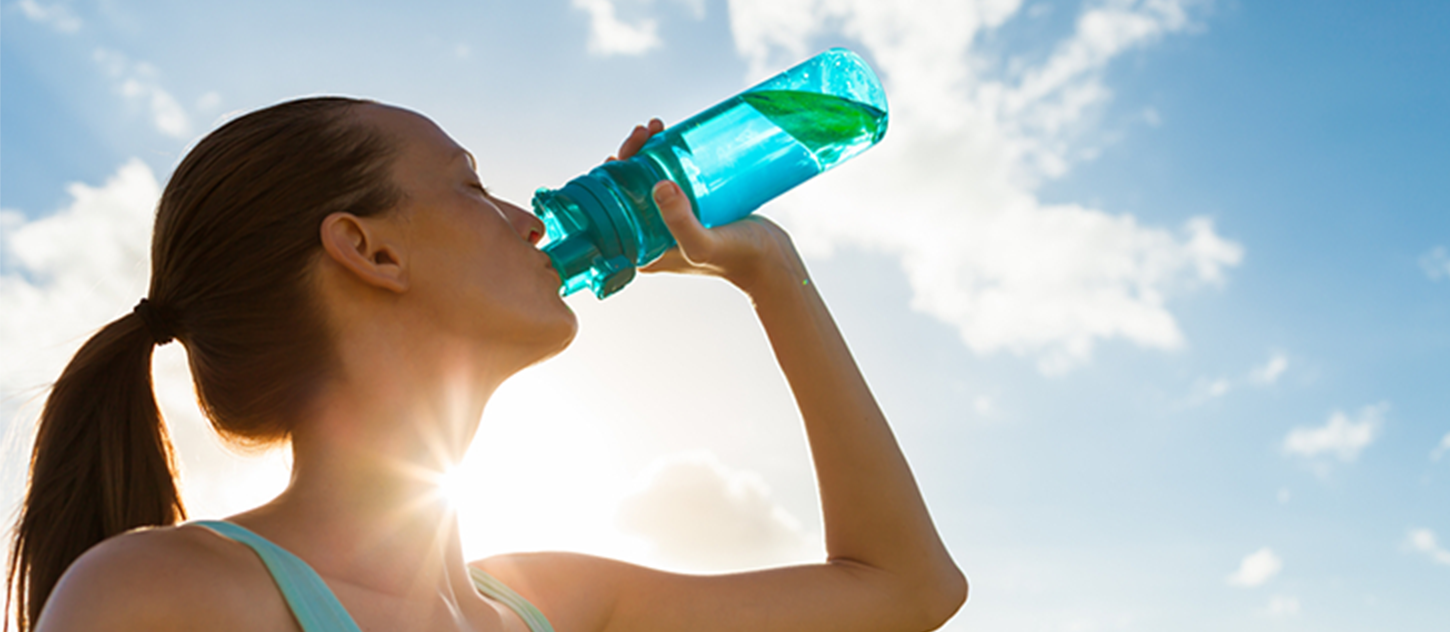
1. Internal hydration: balance, not excess
Water represents about 60% of the human body. In summer, losses increase through sweat, even when we are not exercising.
Why internal hydration is crucial
- Regulates body temperature
- Maintains proper blood volume
- Supports digestion
- Helps maintain stable energy levels
- Supports cognitive function
Mild dehydration can already cause:
- Headaches
- Difficulty concentrating
- Irritability
- Early fatigue
How much should you drink in summer?
There is no fixed number for everyone, but as a practical reference:
- Increase your usual intake on hot days
- Drink before you feel thirsty
- Use urine color as an indicator (the lighter, the better hydrated you are)
Simple strategies to drink more water
- Start the day with a glass of water
- Keep a reusable bottle visible at all times
- Link water intake to routines (before meals, after sun exposure)
- Eat water-rich foods: watermelon, melon, cucumber, tomato, orange
Avoiding excessive alcohol is also important, as it contributes to dehydration.
2. Skin hydration: protecting the skin barrier
In summer, the skin loses water more quickly. UV radiation, sea salt, and chlorine weaken the skin barrier, making it more permeable.
What happens to dehydrated skin?
- Tight feeling
- Uneven texture
- Increased sensitivity
- Flaking
- Dull appearance
Even oily skin can be dehydrated. Oiliness and hydration are not the same thing.
How to keep skin hydrated in summer
- Moisturize daily, even in hot weather
- Choose lightweight textures (gel or lotion)
- Apply after showering, while the skin is still slightly damp
- Reinforce hydration after prolonged sun exposure
- Avoid overly hot and long showers
Applying moisturizer helps reduce transepidermal water loss, maintaining skin elasticity and comfort.
3. Hair hydration: preventing cumulative damage
Hair doesn’t “sweat,” but it easily loses moisture with sun exposure, wind, salt, and chlorine. The cuticle opens, the hair fiber becomes more porous, and hair loses shine and softness.
Signs of dehydrated hair
- Rough texture
- Difficulty detangling
- Split ends
- Increased frizz
- Loss of shine
Essential summer care
- Always rinse with fresh water after the sea or pool
- Apply a hydrating mask 1–2 times per week
- Use leave-in products with UV protection
- Reduce the use of heat tools
- Protect hair with a hat during intense sun exposure
Regular hair hydration helps preserve fiber structure and reduce breakage.
4. Hydration and physical performance
On hot days, even light activities increase fluid loss.
Proper hydration:
- Improves physical endurance
- Reduces the risk of dizziness
- Helps maintain stable energy levels
- Decreases the feeling of excessive heat
Even small losses of body water can affect physical performance.
5. Small habits with real impact
In summer, consistency matters more than extreme measures.
- Drink water regularly throughout the day
- Apply body moisturizer after each sun exposure
- Adapt hair products to beach or pool frequency
- Adjust your routine according to sun exposure levels
Hydration should not be reactive (only when discomfort appears), but preventive.
In summer, hydration means caring for the body in an integrated way:
- From the inside: maintain adequate fluid intake
- On the skin: reinforce the skin barrier
- On the hair: compensate for external aggressions
These are simple but cumulative actions. When maintained consistently, they translate into more energy, physical comfort, and better recovery during the hottest months.

